


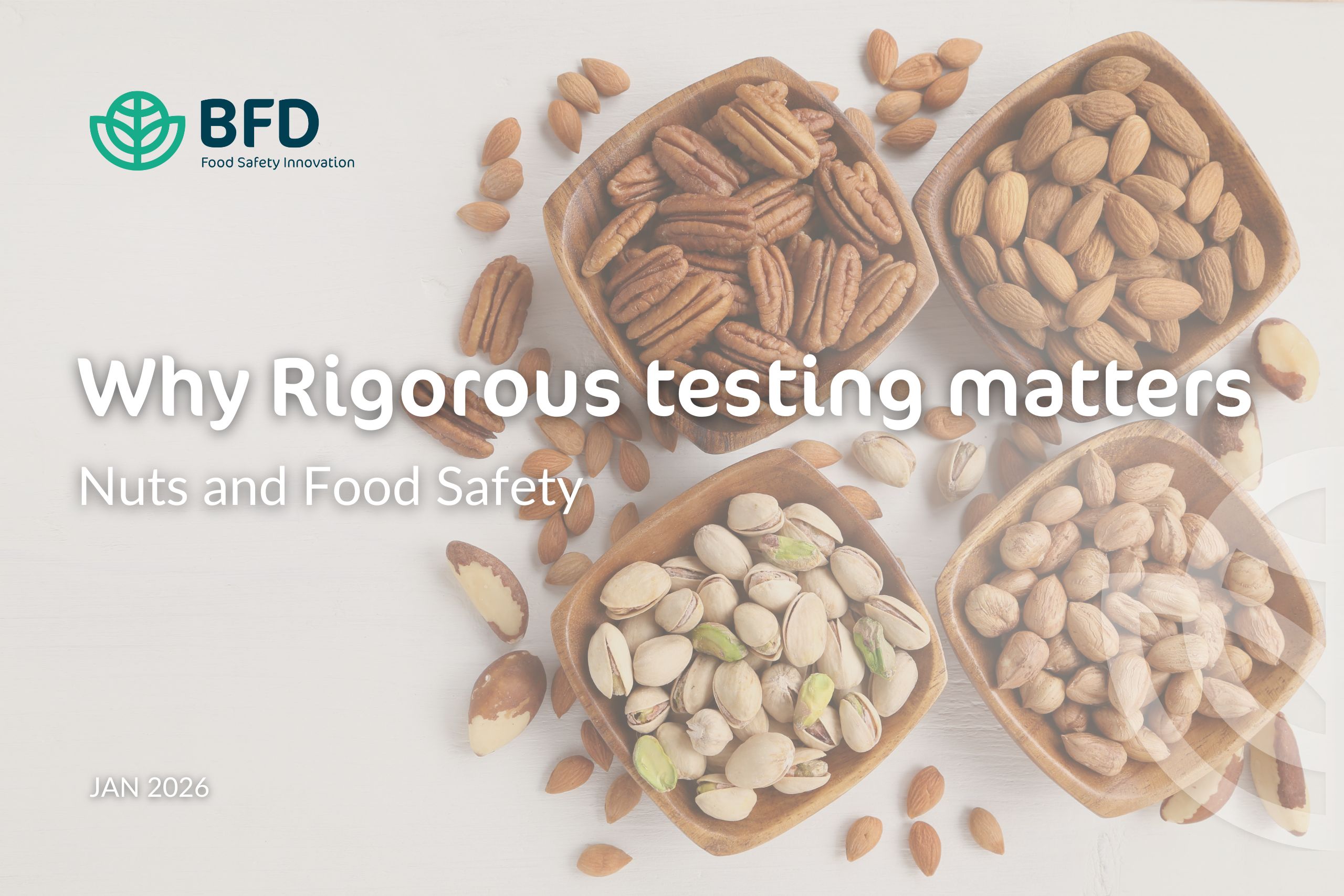
Nuts and Food Safety: Why Rigorous Testing Matters
Nuts are enjoyed worldwide and play an important role in many diets. From breakfast cereals and protein bars to bakery products and premium confectionery, almonds, peanuts, walnuts, pistachios, and cashews are valued for their nutritional benefits. They are rich in protein, healthy fats, vitamins, and minerals that support heart health and overall wellbeing.
However, alongside these benefits, nuts also present specific food safety challenges. Due to the way they are grown, harvested, processed, and stored, nuts require strict testing and continuous monitoring to ensure they are safe for consumers. Effective food safety testing is essential to protect public health and maintain trust across the global food supply chain. FSA
Understanding the Health Risks in Nuts
Nuts are particularly susceptible to contamination at multiple stages of production. One of the most serious hazards is mycotoxins, toxic substances produced by certain moulds. Among them, aflatoxins are the most dangerous and widely regulated due to their severe health effects.
Aflatoxins can cause liver damage, weaken the immune system, and are strongly linked to liver cancer. Peanuts are especially vulnerable, as aflatoxin-producing moulds can develop both during cultivation and improper storage, particularly in warm and humid conditions. FSA
Several major outbreaks highlight the scale of this risk:
- Kenya, 2004: Approximately 500 reported illnesses and over 200 deaths caused by acute aflatoxicosis. pubmed
- Tanzania, 2016–2019: Recurrent outbreaks, including 62 confirmed cases in 2019 linked to elevated aflatoxin B1 levels. pubmed
- Sub-Saharan Africa: Long-term exposure is estimated to contribute to around 26,000 liver cancer deaths each year. pmc
- Uganda, 2023: Around 1,700 tonnes of maize exceeded legal aflatoxin limits, with losses valued at USD 2 million. mon
In addition to mycotoxins, nuts may also be affected by microbial contamination and chemical residues from pesticides. Even low levels of contamination can have serious health, regulatory, and economic consequences, reinforcing the need for robust food safety testing programmes. cbi
How the Industry Detects and Prevents Contamination
To manage these risks, the nuts industry depends on rigorous testing protocols that ensure compliance with national and international food safety regulations. Common testing approaches include:
- Laboratory Analysis: Advanced methods such as HPLC (High-Performance Liquid Chromatography), ELISA (Enzyme-Linked Immunosorbent Assay), and rapid lateral flow devices allow detection of aflatoxins at extremely low concentrations.
- Batch Sampling: Products are sampled at critical control points, including on-farm, after harvest, during storage, and before final packaging.
- Regulatory Compliance Checks: Testing ensures products meet legal limits set by authorities such as the EU, FDA, and Codex Alimentarius.
These measures help producers identify contamination early, prevent unsafe products from entering the market, and safeguard both consumers and brand reputation.
Monitoring Systems and Rapid Alerts
Beyond routine testing, nuts are also monitored through international rapid alert systems that provide real-time warnings when contamination is detected.
In Europe, the Rapid Alert System for Food and Feed (RASFF) plays a crucial role by notifying authorities and businesses when aflatoxin levels exceed permitted limits. RASFF. Between 2010 and 2023, RASFF recorded thousands of aflatoxin notifications, with peanuts, pistachios, almonds, and hazelnuts frequently affected. mdpi
These alerts enable authorities and food producers to:
- Stop contaminated products from reaching consumers
- Act quickly through recalls and border rejections
- Maintain confidence in the safety of nut products
By combining systematic testing, real-time monitoring, and strict border controls, aflatoxin risks can be identified and managed before they threaten public health.
Reducing Risks Through Best Practices
In addition to testing, producers can significantly reduce contamination risks by applying good agricultural and storage practices, including:
- Controlled Storage Conditions: Keeping humidity low and ensuring proper airflow
- Clean Equipment: Regular sanitation to minimise fungal growth
- Farmer Education: Training on early detection of mould and correct harvesting techniques
- Predictive Tools: Using early-warning systems to anticipate aflatoxin risk based on climate conditions
When these preventive measures are combined with effective testing and regulatory oversight, nuts remain a safe and nutritious food choice. cbi
Conclusion
Nuts are a valuable and nutritious part of the global diet, but they are not without food safety risks. Mycotoxins, microbial contamination, and chemical residues make rigorous testing and continuous monitoring essential. Thanks to advanced analytical methods, regulatory frameworks, and industry best practices, aflatoxin risks can be effectively controlled. As a result, consumers can enjoy nut products with confidence, knowing safety is prioritised from farm to table.
BFD Testing Panel
Biorex Food Diagnostics offers a comprehensive range of mycotoxin testing kits designed to deliver fast, reliable, and user-friendly results. With two dedicated Aflatoxin ELISA kits – Total Aflatoxins and Aflatoxin B1 – our solutions provide sensitive detection at a significantly lower cost than outsourced confirmatory testing.
Contact us today to learn more about our food safety testing solutions.
COMING SOON – AFLATOXIN RAPID TEST STRIPS (FlowSense)
| Product Description | Sample Type | Detection |
|---|---|---|
| Aflatoxin B1 | Feed/Cereal
Dried Fruits Nuts |
1ppb
1ppb 1ppb |
| Total Aflatoxins
(sum of B1, B2, G1, G2) |
Peanut
Animal Feed |
1ppb
2ppb |