The Multi-Nitrofuran Honey testing approach focuses on detecting residues of nitrofuran antibiotics, including furaltadone, furazolidone, nitrofurantoin, and nitrofurazone. Historically, beekeepers used these compounds in apiculture to control bacterial diseases in bee colonies. In some cases, they administered them directly into hives through feeding or spraying, which can result in residues or metabolites appearing in honey.
Due to increasing safety concerns, regulators now strictly control nitrofuran use. Many regions, including the European Union, have banned these compounds in food-producing animals. These restrictions are based on evidence linking nitrofuran metabolites to potential carcinogenic and long-term toxic effects. Furthermore, misuse contributes to the growing global challenge of antimicrobial resistance, reducing the effectiveness of essential medicines in human healthcare.
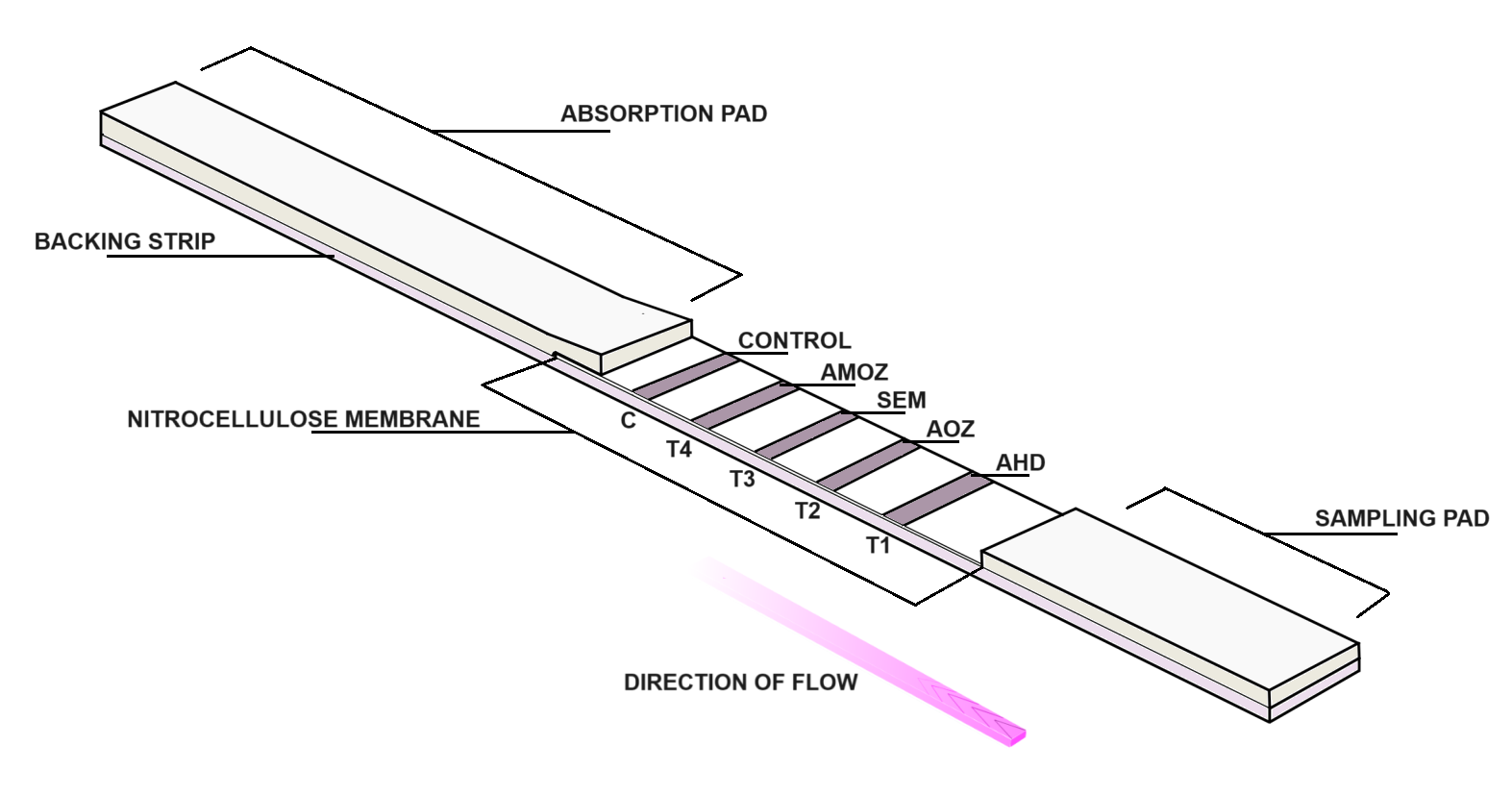
Nevertheless, reports of illegal or non-compliant use still emerge in certain regions. As a result, the risk of contamination in products such as honey remains a concern. For this reason, testing programmes focus on stable metabolite markers rather than the parent compounds. Key targets include 3-amino-2-oxazolidinone (AOZ), 3-amino-5-morpholinomethyl-2-oxazolidinone (AMOZ), 1-aminohydantoin (AHD), and semicarbazide (SEM). Because these metabolites persist in honey, they provide reliable indicators of prior nitrofuran exposure.
Consequently, the Multi-Nitrofuran Honey testing approach plays a vital role in modern food safety systems. Laboratories use it to monitor regulatory compliance and detect contamination at an early stage. In addition, routine screening combined with robust quality control measures helps prevent non-compliant products from entering the food chain.
Ultimately, detecting residues at low levels supports consumer protection and strengthens confidence in honey quality. At the same time, it helps address broader public health concerns by reducing exposure to banned antibiotics and limiting the spread of antimicrobial resistance.