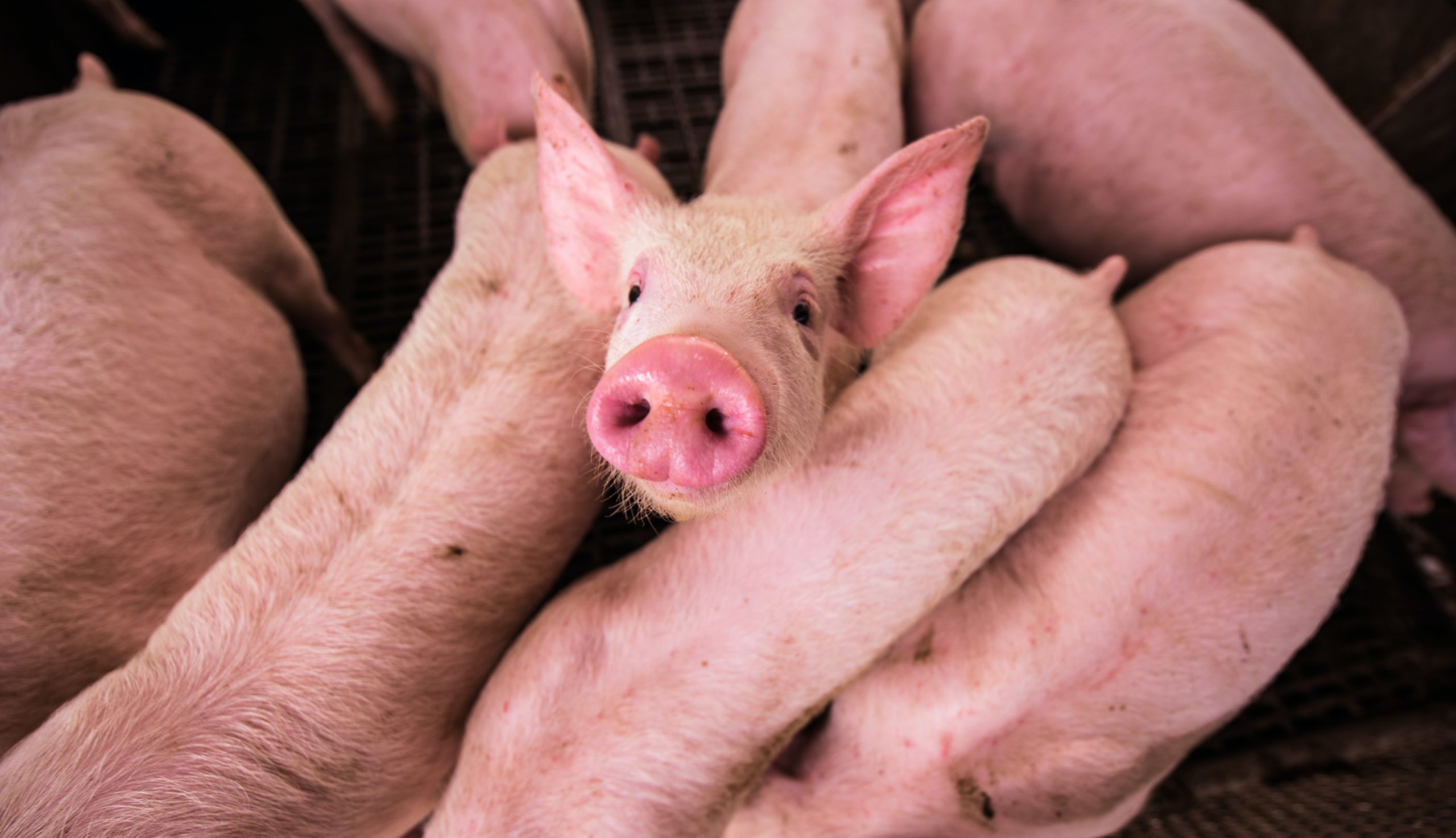
Ractopamine hydrochloride is a phenethanolamine β-adrenoceptor agonist used in pigs and cattle to promote faster growth, increase lean muscle mass, and reduce fat deposition. By enhancing feed efficiency, it allows livestock to produce more meat from the same amount of feed, making it an economically attractive growth promoter in certain regions.
The metabolic behaviour of ractopamine is broadly similar across target animals, laboratory species, and humans. As a beta-agonist, it mimics the effects of natural stress hormones such as adrenaline, stimulating β-adrenergic receptors. This can lead to physiological changes including increased heart rate, altered metabolism, and shifts in energy utilisation within the animal.
While effective for growth promotion, its use has raised significant concerns regarding animal welfare and potential human health impacts. In treated livestock, overstimulation of the cardiovascular system may result in stress-related effects, reduced mobility, or other adverse physiological responses. These concerns have led to strict regulation or outright bans in several countries and regions.
From a food safety perspective, the presence of residues in meat products is a key issue. Consumption of contaminated products may pose health risks, particularly for sensitive individuals, due to its pharmacological activity. As a result, many regulatory authorities have established maximum residue limits (MRLs) or prohibited its use entirely.
Monitoring ractopamine residues in meat and food products is therefore essential to ensure compliance with international regulations and to protect consumer health. Reliable analytical testing methods, including immunoassays and chromatographic techniques, enable accurate detection and quantification. Routine screening and robust quality control measures help ensure that food products entering the supply chain meet safety standards and maintain consumer confidence.