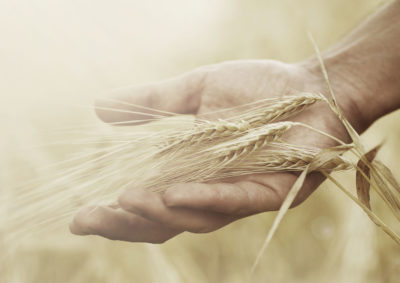
Deoxynivalenol (DON), commonly known as “vomitoxin,” is a mycotoxin produced by the fungus Fusarium graminearum. This mould infects crops in the field, particularly under cool and humid conditions, and remains a persistent challenge for agricultural producers worldwide. DON commonly contaminates staple grains such as barley, wheat, corn, rice, and other cereals, allowing it to enter both the human food chain and animal feed supply.
One key concern with DON is its high prevalence. It is one of the most frequently detected mycotoxins in grain samples. Its presence often indicates a broader contamination issue, as other Fusarium-derived mycotoxins may also occur alongside it. For this reason, laboratories and producers use DON as an indicator when assessing overall grain quality and safety.
DON is also highly stable, which increases its risk. It can withstand common food processing conditions such as milling and heating. As a result, it may persist in finished products including flour, bread, cereals, and snack foods. This stability increases the likelihood of ongoing, low-level dietary exposure if contamination is not effectively controlled.
Exposure to DON can cause a range of adverse health effects. Acute exposure may lead to nausea, vomiting, diarrhoea, abdominal pain, headache, dizziness, and fever. These symptoms explain the term “vomitoxin.” Repeated or long-term exposure may also affect immune function and overall health, particularly in more vulnerable populations.
To reduce these risks, the food and feed industries must implement effective mycotoxin management strategies. These include routine testing of raw materials, proper storage to limit fungal growth, and strict quality control measures across the supply chain. Early detection and preventive action help reduce contamination, protect consumer health, and maintain the safety and quality of food products.